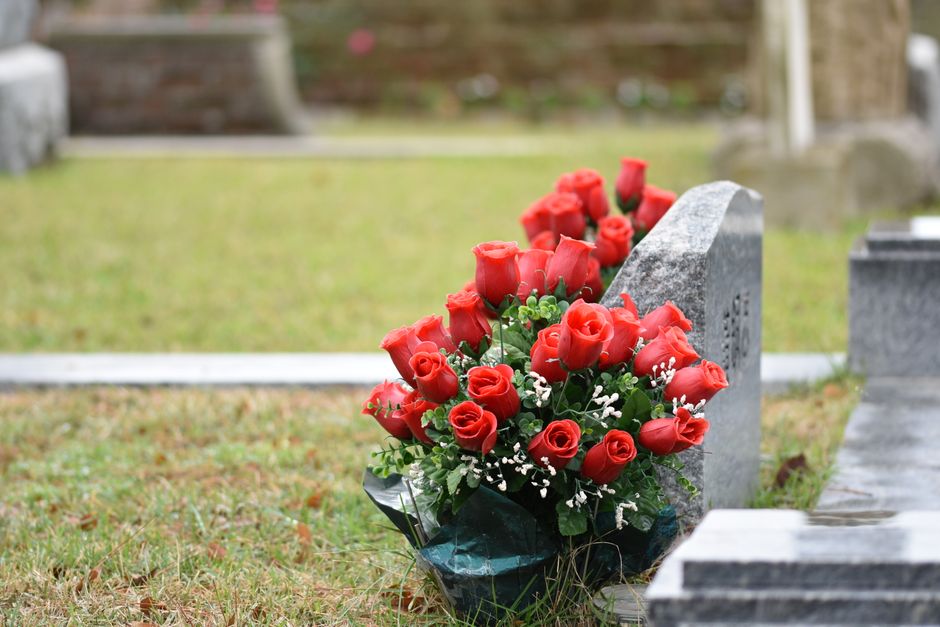
Havering Council rules for grave decorations and flowers
Posted on 11/10/2026
Havering Council rules for grave decorations and flowers: a practical guide for families, visitors and florists
If you're trying to work out the Havering Council rules for grave decorations and flowers, you're probably dealing with a real moment, not just a bit of admin. Maybe you're arranging flowers after a funeral, visiting a loved one on a Sunday afternoon, or you've been told something on a grave needs to be removed and you want to know why. It can feel oddly stressful. One small vase, one wreath, one ribbon - and suddenly there are rules to understand.
This guide explains the topic in plain English. You'll learn how cemetery decoration rules usually work, why councils set them, what kinds of flowers and grave tributes are typically acceptable, and how to avoid the sort of mistakes that cause grief for families later on. Where the exact cemetery policy matters, the safest approach is always to check the site's current guidance, because local rules can vary by cemetery section, memorial type and season.
To make this easier, I've kept it practical. No fluff. Just the kind of advice you can actually use when standing beside a grave with a bunch of flowers in your hand, wondering if you're about to do the right thing or not.
Table of Contents
- Why Havering Council rules for grave decorations and flowers Matters
- How Havering Council rules for grave decorations and flowers Works
- Key Benefits and Practical Advantages
- Who This Is For and When It Makes Sense
- Step-by-Step Guidance
- Expert Tips for Better Results
- Common Mistakes to Avoid
- Tools, Resources and Recommendations
- Law, Compliance, Standards, or Best Practice
- Options, Methods, or Comparison Table
- Case Study or Real-World Example
- Practical Checklist
- Conclusion
- Frequently Asked Questions
Why Havering Council rules for grave decorations and flowers Matters
Grave decoration rules exist for a few very sensible reasons. First, cemeteries need to stay safe and accessible. Pathways have to be kept clear for visitors, grounds staff, wheelchairs, pushchairs and maintenance vehicles. Second, cemeteries need a consistent look and a respectful atmosphere. A graveyard can become cluttered very quickly if everyone leaves different items, at different times, in different places. Third, rules help protect the memorial area itself. Not every material ages well outdoors, and not every item is suitable around headstones, turf or grass-cutting equipment.
In Havering, as in many London boroughs, families often want to express love in very personal ways. A small bouquet, a wreath on an anniversary, a posy at Christmas, a note tied with ribbon - these things matter emotionally. But they also have to fit the cemetery's practical management. That balance is the whole point.
There's also a real emotional side here that people don't always talk about. A grave can become a place of routine: every Friday on the way home, every birthday, every Mother's Day. If a flower arrangement gets removed because it didn't meet site rules, it can feel far bigger than the item itself. That's why understanding the rules in advance saves upset later. Truth be told, it's one of those situations where a little clarity goes a long way.
Expert summary: The safest approach is to choose decorations that are simple, weather-resistant, securely placed and in line with the cemetery's current instructions. When in doubt, keep it neat, keep it low, and keep it removable.
How Havering Council rules for grave decorations and flowers Works
Most cemetery decoration rules work around a few common principles. While the exact details depend on the specific cemetery or section of ground, the logic is usually similar across local authority sites:
- items should not obstruct mowing, maintenance or access
- decorations should not damage the memorial plot or surrounding ground
- flowers and tributes should remain tidy and respectful
- unsafe, oversized or artificial items may be restricted
- items left too long may be removed during routine maintenance
In practice, this means that fresh flowers are often the easiest and least controversial choice. They look natural, they suit most memorial settings, and they can usually be placed in a vase, container or approved holder if one is available. By contrast, loose ornaments, heavy pots, wind-prone decorations, solar lights, glass objects or items that spill onto neighbouring plots can cause issues.
It also matters whether the grave is new or established. New graves sometimes have extra restrictions while the ground settles or while memorial work is being arranged. A family may want to place flowers immediately after the funeral, but the cemetery may ask that tributes stay within certain limits for a period. That's normal, even if it feels a bit strict on the day.
One point people miss: decoration rules are often seasonal in practice, even if they are not officially written that way. At Christmas, Mother's Day, Easter or anniversaries, many graves receive more floral tributes. Some items last well; others collapse after a few wet days and start looking untidy. If you've ever seen a bunch of roses in a downpour on a windy November afternoon, you'll know exactly how fast that happens.
For families choosing flowers, it helps to think about the cemetery environment. Good outdoor tributes tend to be compact, securely packaged and suited to changing weather. If you need inspiration for suitable styles, a florist's sympathy range such as sympathy flowers or a more structured tribute from the funerals collection can be easier to manage than a loosely tied bouquet.
Key Benefits and Practical Advantages
Following cemetery rules might sound like pure restriction, but there are real benefits to doing it properly.
1. Less chance of your tribute being removed
That's the obvious one. If the flowers or decoration fit the cemetery's expectations, they're more likely to stay in place. Nobody wants to visit and find a tribute gone because it was too large, too fragile or placed in the wrong spot.
2. Better presentation over time
Practical, modest arrangements often look better for longer. A neat spray or basket can still look dignified after several days outdoors, while oversized packaging may wilt, blow over or shed petals all over the path.
3. Less hassle for family members
When you know the rules, you don't need to second-guess yourself every time you visit. That matters more than people admit. Grief already asks enough of you.
4. Respect for other families and shared spaces
Cemeteries are shared places. If one grave is covered in clutter, it can affect neighbouring plots and make maintenance harder for everyone.
5. Easier coordination with florists
When a florist understands the environment, they can steer you toward longer-lasting blooms, more suitable packaging and better tribute formats. That usually means less waste too, which is a quiet win. If sustainability matters to you, it can be worth reading a florist's approach to sustainable practices before ordering.
Who This Is For and When It Makes Sense
This topic matters to quite a few people, not just one type of visitor.
- Bereaved families arranging flowers after a funeral or memorial service
- Regular visitors who maintain a grave throughout the year
- Florists creating cemetery-safe arrangements for customers
- Funeral directors helping families understand memorial etiquette
- People planning ahead for an anniversary, birthday, or remembrance date
It makes sense to check the rules before any of these situations:
- when placing flowers on a new grave
- when using a vase, pot or other container
- when leaving seasonal tributes such as Christmas arrangements
- when using artificial flowers or keepsakes
- when adding personal items like cards, figurines or ribbons
Here's the thing: if you're unsure, you are not alone. Plenty of people assume "flowers are flowers" and then discover cemeteries draw a line between a simple bouquet and a large decorative display. That's not being difficult. It's just how shared memorial spaces are managed.
Step-by-Step Guidance
If you want to avoid awkward surprises, follow this straightforward approach.
- Identify the exact cemetery or burial ground.
Rules can vary by location and by section. One cemetery may allow container tributes, another may prefer cut flowers only. - Check whether the grave is new or established.
New graves may have temporary restrictions, especially while the ground settles or memorial work is pending. - Choose the right type of tribute.
Fresh flowers, compact sprays and neat wreaths are usually easier to manage than loose ornaments or bulky displays. - Keep the size sensible.
The safest option is often low, compact and tidy. If it looks like it could blow away in a gust, it probably needs rethinking. - Avoid items that can break or tip.
Glass, brittle plastics and heavy pots can create problems in wet or windy weather. - Use a secure holder if permitted.
A proper container or vase helps prevent mess and keeps stems upright. - Check the weather.
British weather does what it likes, as we all know. Rain, frost and wind can shorten the life of an arrangement very quickly. - Visit again to refresh or remove.
If flowers start to fade, replace them or clear them away so the grave remains respectful and tidy.
A simple way to think about it: if you can place the flowers, step back, and they still look neat from a short distance on a breezy day, you're probably in good shape.
Expert Tips for Better Results
In our experience, the tributes that work best in cemetery settings are the ones designed for real conditions, not just for the first five minutes in the kitchen before you leave the house. A little planning makes a huge difference.
Choose flowers that hold up well
Some flowers naturally last better outdoors than others. Carnations, chrysanthemums and alstroemeria are often dependable choices because they tend to keep their shape and look respectable for longer. Roses can be beautiful too, especially for remembrance occasions, but they may need more careful handling in warm or wet weather. If you want a balanced sympathy arrangement, something from the chrysanthemums or carnations selections can be a sensible route.
Keep wording simple if you add a card
A short message is usually enough. Names, dates, or a few sincere words often feel more appropriate than long notes tied to a grave marker. A small card can be deeply personal without becoming cluttered.
Think about shape, not just colour
People often choose flowers by colour first, which is understandable. But the shape of the tribute matters too. A low spray or basket tends to sit better at a grave than a tall arrangement that catches the wind. If you're comparing different memorial styles, a category like sprays or baskets and posies can be easier to adapt to cemetery conditions.
Use weather as part of the decision
On a calm spring morning, almost anything looks lovely. Two days later, after rain and wind, the same arrangement may look tired. That's normal. If the visit is for a specific date, plan with the forecast in mind.
Respect the spirit of the place
Even when a rule allows something, ask yourself whether it feels right for the setting. Cemeteries are not display windows. Simpler often reads as more respectful. Not always, but often.
Common Mistakes to Avoid
People usually get caught out by the same handful of things.
- Leaving oversized decorations that block grass cutting or overflow into pathways
- Using fragile containers that crack, tip over or scatter soil
- Placing items too close together so the grave becomes cluttered
- Assuming artificial flowers are always acceptable when some cemeteries restrict them or remove faded ones
- Ignoring seasonal upkeep and leaving dead flowers behind for weeks
- Using personal ornaments without checking whether they are suitable for the site
- Forgetting that rules can differ by cemetery section or memorial type
One especially common issue is flowers sent with a lot of packaging. A lovely bouquet can become awkward if it arrives wrapped in multiple layers, ribbons, cellophane and a heavy box. It may be fine for home delivery, but less suitable for a memorial plot. If you're ordering to send ahead of a visit, a direct service such as send flowers or same-day flower delivery can be helpful, but you'll still want to choose the arrangement itself carefully.
Another mistake is leaving flowers that have clearly gone over. Nobody enjoys doing it, I know, but a faded tribute can start looking neglected very quickly. A fresh arrangement says care; a soggy bunch says "I meant to come back later" - and later sometimes never arrives.
Tools, Resources and Recommendations
You don't need specialist equipment to follow cemetery rules well, but a few practical things make the job easier.
- Compact tribute containers for keeping flowers upright
- Water source to refresh stems before placing them
- Small scissors or floral snips for trimming stems cleanly
- Weather-resistant ribbon or card stake if permitted
- Carrier bag or box so the tribute arrives in good condition
- Soft cloth or tissue for wiping debris before and after placement
If you're choosing flowers for a memorial visit, it can help to browse by style rather than by occasion. Some customers prefer a dignified neutral palette, while others want something brighter and more personal. A few useful starting points include white flowers, purple flowers and mixed colour arrangements. White and soft pastels often feel calm and classic, while purple can suit remembrance settings beautifully.
If the tribute is for a funeral or immediate bereavement, you may also find sympathy options or tributes more relevant than everyday bouquets. They are generally designed to sit well in memorial environments.
Law, Compliance, Standards, or Best Practice
Grave decoration rules are usually set by the cemetery operator, and that operator may be the local council, a church authority, or another body responsible for the burial ground. The exact wording and enforcement process can vary. Because of that, the most reliable approach is to treat the cemetery's own current rules as the primary guide.
From a practical point of view, good compliance means:
- following the cemetery's published guidance
- respecting any limits on size, materials or placement
- removing items when asked by the operator
- keeping tributes safe for staff and visitors
- avoiding items that could damage turf, headstones or equipment
Best practice in the UK usually leans toward tidy, low-risk memorial styling. That means fresh flowers over clutter, secure placement over loose decoration, and respectful restraint over anything attention-seeking. There is a reason for that. Maintenance teams need to be able to care for the grounds properly, and families need the space to feel calm rather than chaotic.
If you are arranging flowers professionally, or simply want the tribute to feel well thought through, it is worth considering durability, season and placement together. A beautiful tribute that collapses after one wet afternoon is, honestly, not a great result for anyone.
Options, Methods, or Comparison Table
When people ask what to place on a grave, the real decision is usually about practicality as much as appearance. Here's a simple comparison to help you choose.
| Option | Typical strengths | Possible drawbacks | Best use |
|---|---|---|---|
| Fresh cut flowers | Natural, respectful, easy to personalise | Need replacing more often | Regular visits, anniversaries, seasonal remembrance |
| Wreaths | Formal, tidy, often suitable for memorial occasions | Can be bulky if oversized | Funerals, remembrance dates, ceremonial tributes |
| Sprays | Low-profile, stable, practical in cemeteries | May need a holder or careful placement | Graves where a compact look is preferred |
| Baskets or posies | Neat and easy to handle | Containers must be suitable for outdoor use | General grave visits, family tributes |
| Artificial flowers | Longer lasting in dry conditions | May be restricted or look untidy when faded | Only where the cemetery permits them |
| Ornaments and keepsakes | Personal and sentimental | Often the most likely to conflict with rules | Only if expressly allowed |
If you want the most reliable all-round choice, fresh flowers in a neat tribute format usually win. If you want maximum longevity between visits, ask yourself whether the cemetery permits artificial options and whether they will still look respectful after a few weeks outside.
Case Study or Real-World Example
Here's a very ordinary but familiar example. A family is visiting a grave in Havering ahead of a birthday and wants to leave something meaningful, but not over the top. One relative suggests a large decorative display with ribbons and glass. Another says a small bunch of roses will be enough. The family checks the cemetery's usual expectations and realises a compact, low arrangement is the safer choice.
They settle on a modest sympathy-style tribute with soft colours, placed neatly and without excess packaging. It stays in place, looks elegant for several days, and doesn't create a maintenance problem. A week later, they return, clear the spent stems, and leave a fresh arrangement for the next visit.
Nothing dramatic happened. That's the point. The visit remained about remembrance, not rule disputes.
For that kind of situation, a gently styled option such as peaceful wreath or compassion posy would usually fit the mood of the day without overcomplicating things. If the family had wanted something slightly more traditional, a loving memory wreath would also suit a memorial setting well.
Practical Checklist
Before you place flowers or decorations, run through this quick checklist.
- Have I checked the rules for this specific cemetery or grave section?
- Is the tribute the right size for a memorial plot?
- Is it secure enough to cope with wind and rain?
- Does it look neat from a distance?
- Will it block access or maintenance?
- Are any materials fragile, sharp or likely to tip?
- Have I chosen flowers that suit outdoor conditions?
- Do I know when I should return to refresh or remove them?
- Does the tribute feel respectful, not cluttered?
- Am I comfortable that it matches the cemetery's expectations?
If you can tick most of those off, you're on the right track. And if you're still unsure, keep it simpler rather than fancier. Simple almost always ages better.
Conclusion
The Havering Council rules for grave decorations and flowers are really about balance: respect for the deceased, care for the family's wishes, and practical management of a shared public space. Once you understand that, the rules start to make sense. Fresh flowers, compact tributes and tidy placement usually work best. Oversized, fragile or cluttered decorations usually cause the most trouble.
If you're preparing a memorial visit, the best move is to think ahead by a few days, choose flowers that suit the weather and keep the tribute simple enough to remain dignified after it's been outside for a while. That tiny bit of planning can save disappointment later, and honestly, it can make the whole visit feel calmer.
There is something quietly comforting about getting it right. Not perfect. Just right enough that the flowers sit neatly, the grave looks cared for, and you can stand there for a moment in peace.
Get a free quote today and see how much you can save.
And if today is one of those days where you're doing your best with a heavy heart, that's enough. It really is.
Frequently Asked Questions
What are the usual Havering Council rules for grave decorations and flowers?
The usual approach is that grave decorations should be tidy, respectful, and not interfere with maintenance or access. Fresh flowers and compact tributes are generally the safest options, but the exact rules can vary by cemetery or grave section.
Are fresh flowers allowed on graves in Havering?
Fresh flowers are typically the easiest and most accepted tribute in cemetery settings. They are usually suitable as long as they are placed neatly and do not obstruct pathways, mowing or other graves.
Can I leave artificial flowers on a grave?
Sometimes yes, sometimes no. Some cemeteries allow artificial flowers, while others restrict them or remove them when they fade. It is best to check the specific site guidance before using them.
Are vases or pots allowed on graves?
That depends on the cemetery's rules. Some sites allow small holders or approved containers, while others restrict loose pots or anything that could tip, break or interfere with grounds maintenance.
What happens if my grave decoration breaks the rules?
The cemetery operator may remove the item, especially if it creates a safety issue or obstructs maintenance. In many cases the item is simply cleared away during routine upkeep, though the process can vary.
How long can flowers be left on a grave?
There is no universal time limit. Flowers are usually left until they begin to fade or become untidy, then removed or refreshed. The practical answer is often "as long as they still look respectful."
Are there special rules for new graves?
There can be. New graves may have extra restrictions while the ground settles or while memorial work is being arranged. It is sensible to check before leaving anything permanent or heavy.
Can I put ornaments, toys or candles on a grave?
Some cemeteries allow small personal items, but many restrict ornaments, toys, candles or similar pieces because of safety, maintenance or visual concerns. Always check the cemetery's specific policy first.
What flowers are best for grave decorations?
Flowers that hold up well outdoors are usually best. Carnations, chrysanthemums, alstroemeria and similar sturdy blooms are often practical choices. Compact arrangements tend to work better than loose, delicate displays.
Should I choose white flowers for a grave?
White flowers are a very common choice because they feel calm, simple and respectful. That said, the best colour is often the one that reflects the person's taste, personality or the family's wishes.
Can a florist help me choose flowers that fit the cemetery rules?
Yes, a good florist can usually guide you toward a suitable tribute shape and flower mix. It helps to mention that the flowers are for a grave so they can suggest something compact, stable and weather-friendly.
What should I do if I am unsure about a specific decoration?
Keep it simple and ask before placing it. If you are unsure whether an item is acceptable, the safest choice is usually a modest flower arrangement rather than a decorative object. Simple saves a lot of worry.